Average time to read: ~6 minutes
How Your Website Supports Your Brand
Your website isn't just a digital storefront—it's the heart of your brand's online presence. Every element, from the colors you choose to the way your pages load, tells visitors who you are and what you stand for. Let's explore how your website can strengthen your brand identity and build lasting trust with your audience.
First Impressions Matter More Than You Think
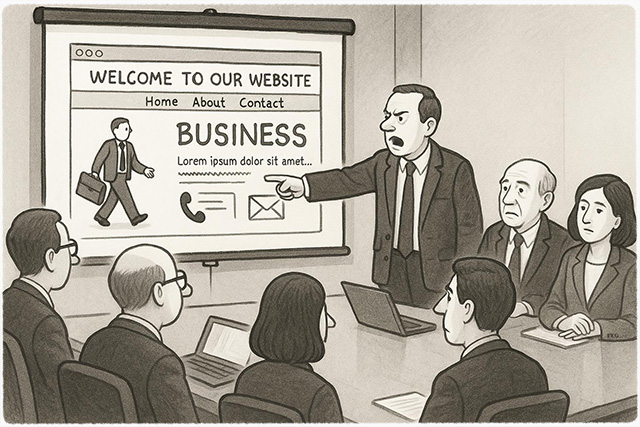
Here's something that might surprise you: visitors form an opinion about your website in just 50 milliseconds. That's faster than the blink of an eye. Before they've read a single word or clicked a single button, they've already decided whether your brand feels trustworthy and professional.
What drives these lightning-fast judgments? It turns out that 94% of first impressions are based on design elements rather than your actual content. This doesn't mean content isn't important—it absolutely is. But it does mean that visual design acts as the gateway to everything else you want to communicate.
Think about what happens when someone lands on a cluttered, confusing website. They don't stick around to decode the navigation or hunt for information. Instead, they leave—and take their business elsewhere. On the flip side, clean layouts with intuitive navigation build immediate trust. Eye-tracking studies show that visitors spend about 6.5 seconds looking at your logo and another 6.44 seconds scanning your navigation menu. These elements anchor their entire experience.
Your Website as a Central Hub
In today's multi-channel world, your customers interact with your brand across many touchpoints—social media, email, physical stores, and more. Your website serves as the central hub that ties all these experiences together. When your visual identity and messaging remain consistent across every platform, customers feel confident they're dealing with a reliable, professional organization.
This consistency is especially crucial for B2B companies. Research shows that 80% of B2B brand value growth is linked to digital trust. Business buyers use your website as their primary resource for understanding your services, evaluating your expertise, and deciding whether to move forward. A well-crafted website can be the difference between winning a major contract and losing it to a competitor.
Your website also guides visitors through their entire journey with your brand. Educational content helps newcomers understand what you offer. Clear product pages and smooth checkout processes turn interest into sales. And integrated social sharing features help satisfied customers spread the word. When you add personalization to the mix—like tailored recommendations or dynamic content—you create emotional connections that lead to long-term loyalty. In fact, transparent brands that personalize their web experiences see higher loyalty rates.
Building Trust Through Consistency
Stanford research confirms what many of us intuitively know: consistent visual identity and messaging across all platforms increases how trustworthy people perceive your brand to be. When customers see the same colors, fonts, and tone of voice on your website as they do in your emails or social media posts, it creates a sense of familiarity and reliability.
This consistency does more than just look professional—it actually makes your website easier to use. When everything feels cohesive, visitors don't have to work as hard to understand your site. They can focus on what really matters: learning about your products, making purchases, or finding the help they need. Studies show that coherent websites receive higher usability ratings, regardless of their actual functionality.
The business impact is significant. Brands that maintain consistency across all touchpoints see 80% higher value growth compared to their inconsistent competitors. This isn't just about aesthetics—it's about operational excellence. Even regulatory compliance, like meeting accessibility standards, reflects your brand's commitment to serving all customers well.
The Hidden Costs of Inconsistency
When your branding doesn't match across channels, customers notice—and they don't like what they see. Imagine visiting a company's polished Instagram page, then clicking through to a website that looks completely different. That mismatch creates confusion and erodes trust. Visitors start wondering if they're dealing with the same company, or worse, whether the business pays attention to important details.
Inconsistent messaging is equally damaging. If your website promises one thing while your sales team says another, customers lose faith in your ability to deliver. This skepticism hits especially hard in industries built on trust, like financial services, healthcare, or consulting.
Here's the real kicker: fixing trust issues costs far more than preventing them. Companies often spend enormous sums on damage control, crisis communications, and rebranding efforts after inconsistency has damaged their reputation. Regular brand audits and staff training might seem like overhead, but they're actually investments that protect your bottom line.
Authenticity: Your Secret Weapon
Today's consumers are incredibly good at spotting fake brand promises. When companies claim to care about sustainability but use excessive packaging, or tout customer service while making it impossible to reach a human being, trust evaporates quickly. Research shows that brands caught misrepresenting their values experience an 18% decline in trust, with transparency gaps doubling customer churn rates.
Younger consumers are particularly sensitive to authenticity. Millennials and Gen Z customers actively seek out brands whose values align with their own. They're quick to call out inconsistencies on social media, turning small missteps into viral criticism. But they're equally quick to champion brands that walk their talk.
One powerful way to demonstrate authenticity is through employee advocacy programs. When your team members share genuine experiences and perspectives, it increases authenticity perceptions by 2.3 times. Similarly, featuring user-generated content—real reviews, testimonials, and social media posts—on your website shows confidence in your customer relationships and builds credibility far better than polished marketing copy alone.
When Poor Execution Undermines Everything
Even the strongest brand strategy falls apart with poor website execution. Slow load times, broken links, and confusing navigation don't just frustrate visitors—they actively damage your brand's reputation. Every additional second of load time increases the likelihood that visitors will leave and never return.
Accessibility is another critical execution element that many brands overlook. When websites aren't usable by people with disabilities, it excludes potential customers and exposes the company to legal risk. More importantly, it sends a message that your brand doesn't value inclusivity—a perception that can spread quickly in our connected world.
The financial impact of poor execution extends far beyond lost sales. Fixing a damaged reputation requires expensive redesigns, marketing campaigns, and customer win-back efforts. These post-failure investments typically cost much more than getting it right the first time. Meanwhile, brands that consistently execute well enjoy higher customer lifetime value and sustainable growth.
Moving Forward
Your website is where first impressions crystallize into lasting perceptions. Through thoughtful design, consistent messaging, and authentic communication, it transforms casual visitors into loyal customers and advocates. The path forward requires regular audits of your visual consistency, clear communication of your brand heritage, and unwavering commitment to user-centered design.
As technology evolves and customer expectations rise, your website must evolve too—not by abandoning what makes your brand unique, but by finding new ways to express your core values. The brands that thrive will be those that treat their websites as living embodiments of their mission, constantly refined but always true to their essential identity.
Remember, you're not just building a website. You're creating a digital home for your brand—a place where customers can discover who you are, what you stand for, and why they should trust you with their business. Make it count.
Cited Articles
- Attention web designers: You have 50 milliseconds to make a good first impression!
- First Impressions Matter: Make a Great One With Visual Design - CXL
- Website Design: The Importance of First Impressions | Userbrain Blog
- In Brands We Trust? A Multicategory, Multicountry Investigation of Sensitivity of Consumers’ Trust in Brands to Marketing-Mix Activities [PDF]
- Nurture Brand Authenticity for Business Success - Mailchimp
- How Founder's Stories Influence Brand Authenticity - ScholarWorks [PDF]
Further Reading
- Eyes don't like: Understanding users' first impressions on website design using eye tracking [PDF]
- The Web Credibility Project: Guidelines - Stanford University
- Brand Knowledge, Trust and Loyalty – A Conceptual Model of Destination Branding [PDF]
- The Role of Consistency in Brand Credibility: Maintaining Trust Across Channels
- What Makes Web Sites Credible? A Report on a Large Quantitative Study [PDF]
- Exploring the Influence of Brand Authenticity on Consumer Behavior
- The hidden costs of off-brand content: Why consistency is the new imperative
- Sustainability and Brand Heritage in B2B Marketing [PDF]
- How heritage brands can sidestep the 'curse of the original'
- The Role of Visual Complexity and Prototypicality Regarding First Impression of Websites: Working Towards Understanding Aesthetic Judgments [PDF]
- Enhance Brand Trust with Authenticity, Strategies, and Insights
- The Role of Touchpoints in Shaping the Customer Experience Experience Throughout the Customer Journey [PDF]